Unveiling Madecassoside: Dosage, Efficacy, and Your Skin's New Ally!
Introduction: Heard Madecassoside is all the rage? What exactly is it?
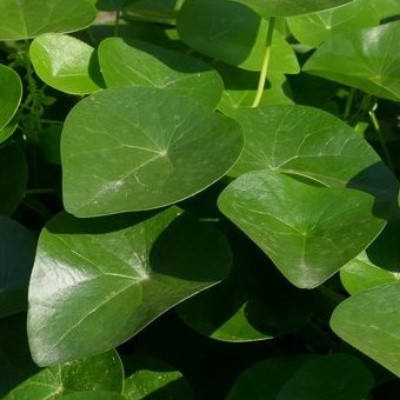
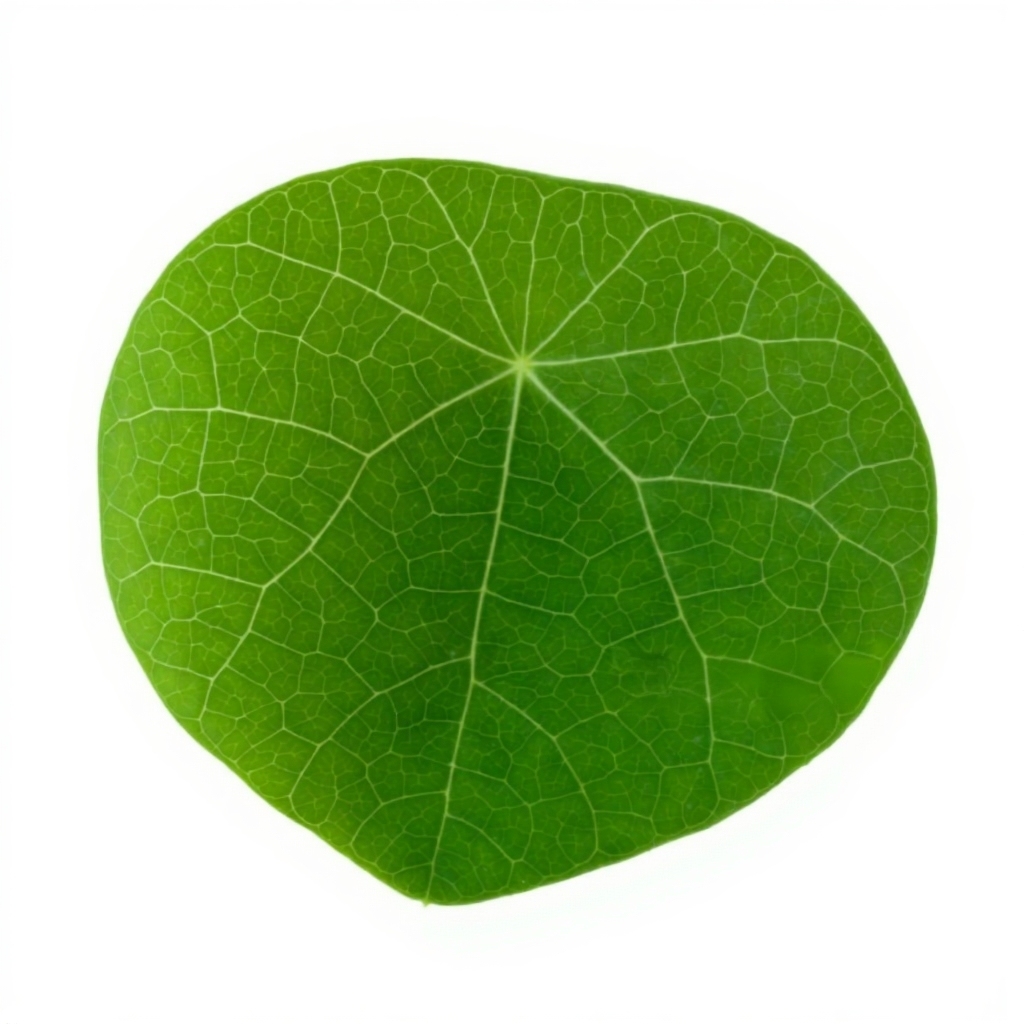
Greetings, fellow enthusiasts of dermal science and cosmetic chemistry! One can scarcely peruse the ingredient lists of contemporary skincare formulations without encountering the intriguing compound, Madecassoside. Far from being a fleeting trend, this particular molecule represents a refined embodiment of ancient botanical wisdom, now amplified by modern scientific extraction and application. At its core, Madecassoside is a potent bioactive compound, specifically classified as a triterpenoid saponin—a trisaccharide derivative of madecassic acid—meticulously isolated from the venerable Centella asiatica plant. You might know Centella asiatica by its more evocative appellations: "Tiger Grass" or "Gotu Kola." While its nomenclature might sound rather academic, its practical impact on cutaneous health is elegantly straightforward: it is, quite simply, a remarkable facilitator of healthier, more resilient skin.
1. Tracing the Legend of "Tiger Grass": Madecassoside's Past and Present
The narrative of Madecassoside begins not in a modern laboratory, but in the verdant, sun-drenched tropical regions of Asia, Africa, and Australia. Here, its botanical progenitor, Centella asiatica, has flourished for centuries, weaving itself into the fabric of traditional medicine systems. Indeed, this plant has been a cornerstone of Ayurvedic and Chinese traditional medicine for ages, lauded for its multifaceted therapeutic properties ranging from wound healing and alleviation of skin inflammation to its noted cognitive benefits.
Folklore lends a particular charm to its historical reverence, with tales of injured tigers instinctively seeking out and rolling in patches of Centella asiatica to soothe their wounds—a vivid anecdote that bestowed upon it the enduring moniker, "Tiger Grass." This intuitive, ancient understanding of the plant's restorative powers predates modern pharmacological inquiry by millennia.
From these humble, almost mythical, origins, Madecassoside has traversed a fascinating trajectory into the modern era. What was once a component of folk remedies, revered but unquantified, has now been meticulously identified, extracted, and characterized by contemporary scientists. The complete biosynthetic pathway for Madecassoside and its related triterpenoids within Centella asiatica has become a focal point of recent scientific investigation, revealing the enzymatic intricacies of its natural production. This journey from traditional botanical lore to a scientifically validated, purified compound underscores its current prominence in both the pharmaceutical and cosmeceutical landscapes, marking it as a veritable star in the constellation of skin-enhancing ingredients.
2. Key Point! The Right Way to Use Madecassoside: How to Dose It?
Understanding the precise application of Madecassoside, whether topically or orally, is crucial to harnessing its full potential. As with any biologically active compound, dosage dictates efficacy and safety.
A. Topical Skincare: A "Calming Balm" for the Skin
For dermatological applications, Madecassoside is largely utilized as a topical agent, integrated into a diverse array of skincare products, from serums and creams to cleansers. The consensus from empirical studies and product formulations points to a clear range for optimal cutaneous benefits.
The Golden Concentration: Across the landscape of skincare formulations, Madecassoside typically demonstrates its "optimal appearance" within a concentration range of 0.1% to 2%. A 1% concentration is frequently cited and recommended as a robust standard for broad efficacy.
Tailoring to Specific Skin Needs: The beauty of Madecassoside lies in its versatility, allowing for nuanced concentrations to address distinct dermatological concerns:
For Pigmentation Management: Even at a modest concentration of 0.05%, Madecassoside has shown promising results in inhibiting UV-induced melanin synthesis, particularly when applied twice daily over an eight-week period. This suggests its utility in formulations aimed at hyperpigmentation.
For Soothing Redness and Sensitivity: A concentration of 0.2% Madecassoside has been observed to significantly alleviate redness, peeling, and pruritus in individuals experiencing mild atopic dermatitis or symptoms associated with psoriasis. Its anti-inflammatory prowess here is evident.
As an Anti-aging Synergist: When combined with complementary active ingredients, Madecassoside's anti-aging capabilities are amplified. For instance, a 0.1% concentration of Madecassoside, paired with 5% Vitamin C, has been clinically shown to improve the appearance of wrinkles, enhance skin firmness, refine texture, and boost hydration over a six-month regimen. Furthermore, studies have noted its capacity to reduce periocular wrinkles, suggesting targeted benefits for delicate areas.
Wound Healing Augmentation: Beyond its cosmetic appeal, formulations enriched with Madecassoside or comprehensive Centella asiatica extracts have been demonstrated to accelerate wound closure, an effect particularly noted in models of diabetic ulcers.
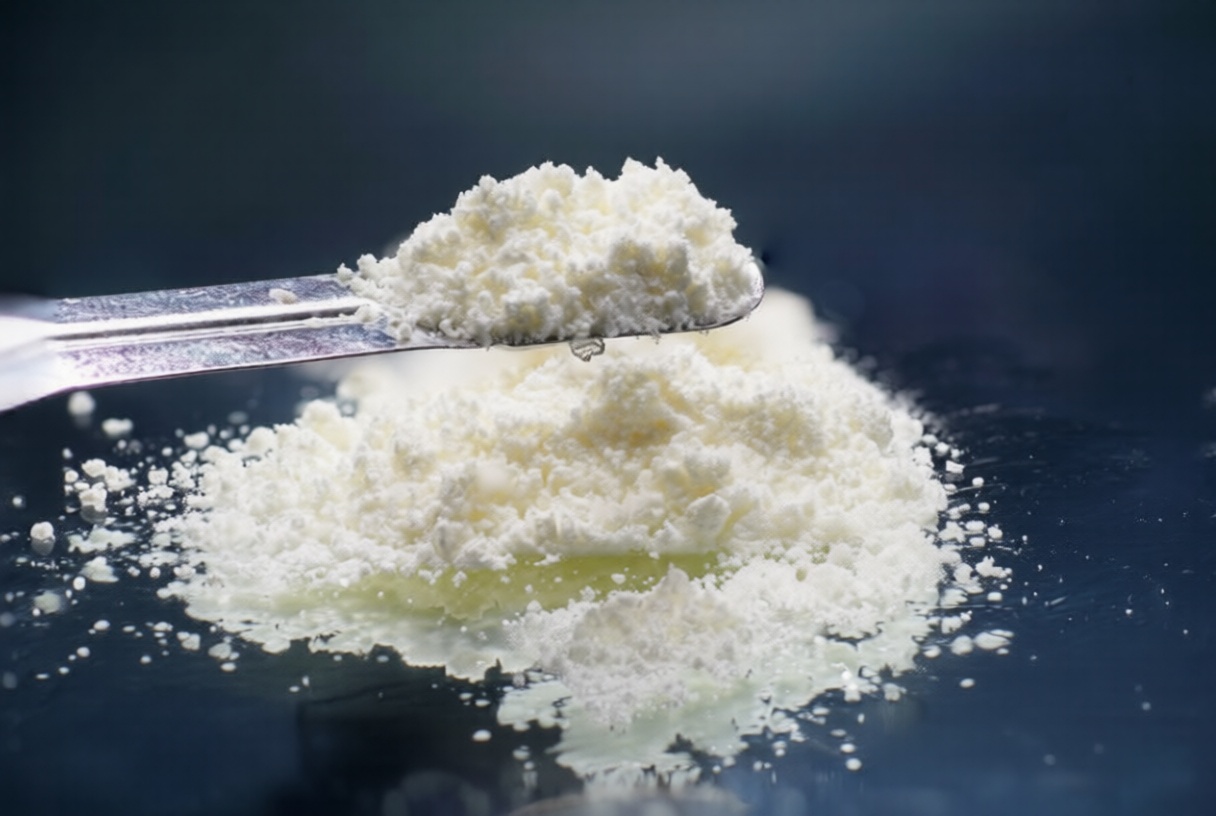
Handling and Formulation Nuances: From a formulation perspective, Madecassoside typically presents as a white, lightweight powder. It can be dispersed or dissolved in water, generally not exceeding 1.0% w/v, and is usually introduced during the final phase of cosmetic product development. To maintain its stability and potency, it is advisable to avoid temperatures exceeding 40°C, and the optimal pH range for formulations is between 4 and 6.5. For enhanced solubility, skin absorption, and stability, innovative encapsulated forms, such as those utilizing cyclodextrin, are increasingly being employed.
Daily Integration and Compatibility: One of Madecassoside's most appealing attributes is its generally excellent tolerability, making it suitable for frequent application, even twice daily. It is a highly "social" ingredient, exhibiting remarkable compatibility with an array of other popular skincare actives. It harmonizes well with Vitamin C, hyaluronic acid, ceramides, niacinamide, and peptides, often acting as a calming buffer that allows for the simultaneous use of potentially more irritating ingredients like retinoids without exacerbating dryness or sensitivity.
B. Oral Madecassoside: Internal Regulation Requires Caution!
While Centella asiatica extracts have a venerable history of oral consumption within traditional medicine for a spectrum of ailments, the precise recommended oral dosages for isolated Madecassoside in humans are not as comprehensively defined or universally standardized as its topical applications in current research.
Standalone Oral Supplementation: A Complex Arena: Definitive guidelines for the oral administration of pure Madecassoside are still a subject of ongoing pharmacokinetic and clinical research. Animal studies, for instance, have explored its systemic distribution; a single oral dose of 100 mg/kg in rats yielded a maximum plasma concentration (Cmax) of 303.75 ± 28.53 ng/mL, with distribution observed across various organs, predominantly the liver and kidneys. It is hypothesized that Madecassoside can be metabolized into madecassic acid by intestinal flora.
Drawing Lessons from Centella asiatica Extracts: Our understanding of oral Madecassoside largely stems from studies involving standardized Centella asiatica extracts, which naturally contain Madecassoside along with other active triterpenoid glycosides. For example, in a clinical investigation involving diabetic patients with wounds, an oral regimen included two capsules, each containing 50 mg of asiaticoside extract, administered three times daily for 21 days. This extract would inherently supply Madecassoside. Another study with healthy volunteers utilized a modified standardized Centella asiatica extract (ECa 233, comprising 51% Madecassoside and 38% asiaticoside), administered at doses of 250 mg or 500 mg orally. These examples illustrate the historical and ongoing use of Madecassoside within the broader context of Centella asiatica extracts for internal benefit.
Considerations for Oral Safety: Generally, Centella asiatica extracts, when consumed within recommended dosages, are considered non-toxic and well-tolerated, with adverse effects being rare. However, exceeding these recommended limits can precipitate undesirable side effects, including headaches, gastrointestinal upset, nausea, dizziness, and even drowsiness. Animal studies, particularly those involving male rats administered significantly high oral doses (e.g., 100-300 mg/kg/day) of Centella asiatica extracts, have indicated potential reproductive toxicity. It is crucial to underscore that such dosages are vastly beyond those associated with typical daily cosmetic use or even most oral supplement regimens, thus alleviating concerns for standard applications. As always, consulting a healthcare professional before embarking on any new oral supplement regimen is paramount.
3. Madecassoside's Potency Explained: Unpacking the "Hardcore" Mechanisms
The compelling efficacy of Madecassoside is rooted in a fascinating array of cellular and molecular mechanisms. Far from being a mere superficial agent, it orchestrates a symphony of biological responses within the skin, earning its esteemed position in modern dermatological science.
The Soothing Maestro: Madecassoside stands out as an exceptional calming agent, uniquely poised to address sensitive, reactive, and inflamed skin conditions. It actively intervenes in inflammatory cascades by inhibiting critical inflammatory cellular messengers, such as various cytokines, which are typically upregulated during inflammatory responses like acne flares, eczema, rosacea, and psoriasis. Mechanistically, it achieves this by suppressing the expression of protease-activated receptor-2 (PAR-2) and its downstream signaling pathway, involving cyclooxygenase-2 (COX-2), prostaglandin E2 (PGE2), and prostaglandin F2 alpha (PGF2α) in keratinocytes. Furthermore, it can prevent NF-κB translocation and inhibit the phosphorylation of ERK1/2 and p38, crucial steps in inflammatory processes, thereby effectively quelling redness, itchiness, and overall skin discomfort.
The Repair Architect: Its role as a reparative agent is foundational. Madecassoside significantly accelerates wound healing and promotes comprehensive skin repair. It robustly stimulates angiogenesis, the formation of new blood vessels, which is indispensable for tissue regeneration. Concurrently, it enhances the synthesis of both Type I and Type III collagen, the structural proteins vital for skin integrity and resilience. By reinforcing the skin's natural defenses and strengthening the skin barrier, Madecassoside actively reduces transepidermal water loss, fortifying the skin against external irritants and physical damage. This comprehensive action makes it beneficial for healing various skin damages, including post-treatment irritation, acne lesions, and microtears.
The Anti-aging Alchemist: In the realm of anti-aging, Madecassoside proves to be a formidable ally. Its ability to enhance collagen synthesis directly translates into improved skin firmness and elasticity, leading to a visibly reduced appearance of fine lines and wrinkles. Studies have explicitly noted its capacity to improve deep and superficial wrinkles, suppleness, and overall skin texture. Furthermore, its efficacy in reducing periocular wrinkles highlights its targeted potential for delicate facial areas, contributing to a more youthful and vibrant complexion.
The Brightening Illuminator: Beyond its anti-inflammatory and reparative roles, Madecassoside also offers a strategic approach to addressing hyperpigmentation. Research indicates its ability to inhibit UV-induced melanin synthesis and effectively block melanosome transfer. It accomplishes this by intervening in UV-induced inflammation and suppressing the PAR-2 signaling pathway in keratinocytes, which are key drivers of pigment production and distribution. This multifaceted action contributes to a more even skin tone and a noticeable reduction in dark spots, fostering improved skin radiance.
The Potent Protector: Madecassoside functions as a robust antioxidant, serving as a critical shield against environmental aggressors. It actively reduces skin-damaging free radicals generated by pervasive environmental factors such as UV radiation and atmospheric pollution. This potent antioxidant activity provides crucial protection against oxidative stress, a primary contributor to premature skin aging and various dermatological pathologies.
The Hydration Enhancer: Furthermore, Madecassoside contributes significantly to maintaining optimal skin hydration. Laboratory studies suggest that it can stimulate the skin's intrinsic hyaluronic acid production, a glycosaminoglycan renowned for its exceptional water-binding capabilities. By strengthening the skin's moisture barrier and promoting natural humectant synthesis, Madecassoside leads to improved and longer-lasting hydration, preventing dryness and enhancing overall skin plumpness.
4. Truly Flawless? Madecassoside's Minor Controversies and Great Expectations
While Madecassoside presents a compelling profile of benefits, a balanced scientific perspective necessitates an acknowledgment of both its widespread acceptance and the areas where further inquiry is warranted. No ingredient, however promising, is without its nuances.
Safety Profile and Nuances: By and large, Madecassoside is an exceptionally well-tolerated ingredient, often described as a "benevolent guest" in topical formulations. Its compatibility extends even to sensitive, rosacea-prone, and eczema-prone skin types, with dermatologists frequently noting that it is an ingredient amenable to almost everyone. SkinSAFE, a respected ingredient safety database, rates Madecassoside favorably, attesting to its freedom from many common allergens and irritants, and affirming its safety for delicate areas like the eyes, lips, and even for use on infants. Furthermore, it is considered non-comedogenic, making it suitable for acne-prone individuals. However, the principle of individual biological variability remains paramount. While rare, a negligible percentage of individuals might exhibit an allergic reaction or localized irritation, particularly if they possess a known allergy to the Centella asiatica plant itself. Anecdotal reports, though not representative of widespread experience, occasionally mention transient negative reactions such as widespread breakouts or small bumps. These instances are exceedingly uncommon, and generally, Madecassoside demonstrates no known negative interactions with other skincare ingredients; its soothing properties, in fact, often render it a perfect partner for potentially irritating actives.
The Scientist's Ongoing Query: A Call for Broader Evidence: Despite the wealth of encouraging in vitro and small-scale clinical studies, the scientific community, particularly dermatological researchers, maintains a considered stance, suggesting a need for more extensive, large-scale clinical investigations. The initial data, while undeniably promising and indicative of a diverse range of benefits—from antioxidant protection and anti-inflammatory action to collagen stimulation and enhanced hydration—is still regarded by some as relatively sparse when compared to decades of research on established compounds. This is not a dismissal of Madecassoside's efficacy, but rather a characteristic academic call for further robust, population-level evidence to definitively confirm the full spectrum and magnitude of its reported benefits.
The Bioavailability Hurdle: An Absorption "Challenge": A significant obstacle in fully leveraging Madecassoside's therapeutic potential lies in its inherent physicochemical properties: it possesses low solubility and limited bioavailability. Its strong polarity and poor water solubility can make dermal penetration and systemic absorption somewhat challenging, potentially limiting the delivery of an optimal concentration to target sites within the skin or systemically. However, this is far from an insurmountable barrier. The ingenuity of modern pharmaceutical and cosmetic science is actively engaged in developing sophisticated "transport systems." Research is vigorously exploring strategies such as enzymatic hydrolysis to create more bioavailable derivatives, and the development of innovative delivery platforms, including nanoemulsions and self-nanoemulsifying drug delivery systems (SNEDDS), designed to enhance its solubility, improve skin penetration, and ensure more efficient utilization by the body. This ongoing research underscores the commitment to optimizing Madecassoside's therapeutic index.
5. The Future of Madecassoside: Beyond the Horizon of Current Applications
The trajectory of Madecassoside is one of burgeoning discovery and diversification. Far from being confined to its well-established role in dermatological formulations, this triterpenoid compound is poised to expand its influence across multiple domains, driven by relentless research and a deeper understanding of its intricate biological activities.
Technological Upgrades in Delivery: The challenge of Madecassoside's solubility and bioavailability is being met with sophisticated solutions. The future will undoubtedly see the proliferation of more intelligent and efficient delivery systems. Advanced platforms such as nanoemulsions and self-nanoemulsifying drug delivery systems (SNEDDS) are being meticulously engineered to encapsulate Madecassoside, allowing for optimized controlled release and sustained therapeutic effects. These innovations promise to deliver the active compound directly to target cells and tissues with unparalleled precision and efficacy, thereby maximizing its impact and extending its duration of action.
The Emergence of "Synergistic Super-Teams": The era of single-ingredient dominance is gradually yielding to the power of synergistic formulations. Madecassoside, known for its collaborative nature, will increasingly be seen as a crucial component in multi-ingredient matrices. Its antioxidant properties, for instance, are demonstrably enhanced when paired with Vitamin C. Similarly, its hydrating effects are significantly augmented when combined with hyaluronic acid. Further research is actively exploring its potentiation alongside ingredients like niacinamide and paeonol, aiming to construct "skincare super-teams" that offer comprehensive benefits, from improved skin barrier repair to superior anti-inflammatory responses.
Beyond the Dermis: A Panorama of Therapeutic Exploration: Madecassoside's reach is already extending far beyond superficial cutaneous applications, with a burgeoning interest in its systemic therapeutic potential.
The "Cognitive Enhancer" Hypothesis: Fascinating research is delving into Madecassoside's neuroprotective qualities. It is being rigorously investigated for its potential in ameliorating neurodegenerative conditions such as Alzheimer's and Parkinson's diseases. Studies indicate its capacity to reduce amyloid-β-induced inflammation and autophagy, protect against memory impairment, and inhibit amyloid-β fibril formation—key pathological hallmarks of Alzheimer's. Its protective effects against stroke-induced damage are also a significant area of inquiry.
The "Internal Organ Guardian": The protective repertoire of Madecassoside appears to extend to vital internal organs. Research suggests its ability to attenuate hepatic oxidative and inflammatory injury, reduce pulmonary fibrosis by downregulating collagen deposition, and offer protection against myocardial ischemia-reperfusion injury. These findings hint at a promising future for Madecassoside in cardiovascular and respiratory health applications.
The Scar "Remodeler": Building upon its established wound-healing properties, Madecassoside is being scrutinized for its targeted efficacy in diminishing hypertrophic scars and keloids. Studies indicate its ability to suppress the migration of keloid-derived fibroblasts and regulate associated signaling pathways, offering a novel approach to scar management. It also promotes re-epithelialization and angiogenesis in burn wounds, showcasing its profound regenerative capabilities.
New Hope for Atopic Dermatitis: Given its significant anti-inflammatory and immunomodulatory properties, Madecassoside is emerging as a promising natural agent for the treatment of atopic dermatitis. Its integration into sustainable topical formulations, particularly those designed for "Recovery & Comfort" ranges, offers substantial relief by reducing the debilitating pruritus associated with this chronic inflammatory skin condition.
The Next-Gen Brightening Agent: Madecassoside's demonstrated ability to inhibit UV-induced melanin synthesis and melanosome transfer firmly positions it as a potent ingredient for addressing various forms of hyperpigmentation. Researchers are even developing novel cultivars of Centella asiatica specifically engineered to be richer in Madecassoside, aiming for enhanced skin-whitening and brightening effects.
Oral Nutraceuticals and Functional Foods: The traditional oral use of Centella asiatica is inspiring modern nutraceutical applications. Madecassoside is increasingly considered for oral administration, perhaps as an ingredient in herbal teas or as a standalone dietary supplement, to contribute to overall systemic wellness and bolster the body's intrinsic resilience against oxidative stress from within.
The Green Wave: Sustainable Innovation: As consumer demand for natural and plant-based remedies escalates, the future of Madecassoside production will be intrinsically linked to sustainability. A growing emphasis will be placed on ethically sourced raw materials and the optimization of extraction processes utilizing green technologies. Research into novel cultivars of Centella asiatica that naturally yield higher concentrations of Madecassoside will also contribute to a more environmentally conscious and efficient production cycle. The Madecassoside market, consequently, is projected for steady growth, prioritizing product innovation, stringent quality control, and robust safety profiles.
Madecassoside, You Deserve It!
In closing, Madecassoside, a sophisticated extract borne from the ancient wisdom of Centella asiatica, stands as a testament to the enduring power of botanicals refined by contemporary science. Whether providing profound epidermal soothing, accelerating dermal repair, offering nuanced anti-aging benefits, or contributing to a brighter, more even complexion, its performance is demonstrably commendable. While the scientific community continues its diligent work in fully unraveling every molecular nuance and expanding the empirical evidence base through large-scale clinical trials, Madecassoside has already firmly established itself as a truly valuable asset in the modern skincare armamentarium. It is a treasure-trove ingredient worthy of consideration for inclusion in your personal regimen. As always, the discerning consumer is advised to select products thoughtfully, aligning them with individual skin needs, and to consult with a qualified dermatologist or healthcare professional when specific concerns or uncertainties arise. Allow Madecassoside to become a steadfast guardian of your skin's vitality and equilibrium.
Recent Articles