Bridging Millennia: Isoalantolactone – A Future Drug Discovery Star?
Introduction: Getting to Know This "Understated" Botanical Luminary
In the vast and intricate tapestry of natural product chemistry, certain molecules, though initially obscure, possess a profound lineage rooted in ancestral wisdom. Isoalantolactone (IAL) is precisely such a compound. While its name might not roll off the tongue with the familiarity of aspirin or penicillin, this intriguing molecule, derived from the botanical kingdom, hints at a boundless therapeutic potential.
Chemically, isoalantolactone is a fascinating construct. With the molecular formula C₁₅H₂₀O₂, it manifests a unique bicyclic structure, categorizing it firmly within the sesquiterpene lactone family. More precisely, it is an eudesmane-type sesquiterpene lactone, or eudesmanolide. Often, in its natural milieu, it coexists with its isomeric sibling, alantolactone, a duo sometimes collectively referred to as "helenin." This molecular architecture, while complex to articulate, underlies the diverse biological activities that have captivated researchers in recent decades.
Journey Through Time: From Ancient Remedies to Modern Scientific Scrutiny
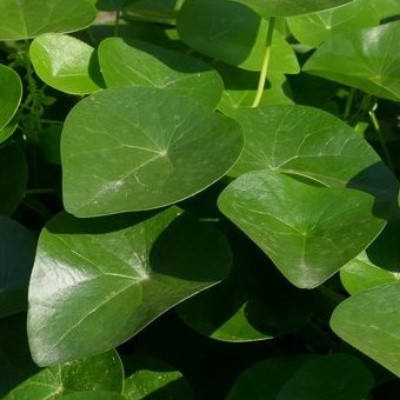
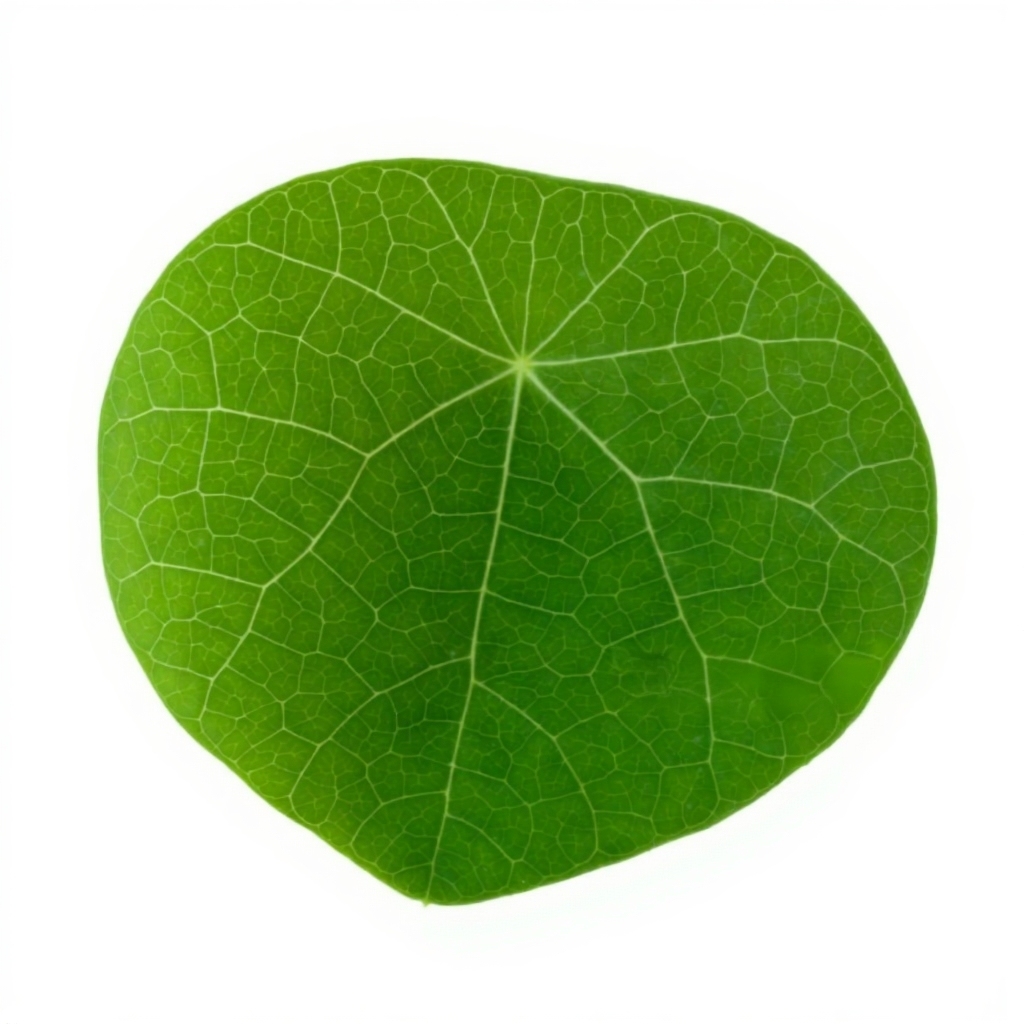
The narrative of isoalantolactone truly begins with its primary botanical source, Inula helenium, commonly known as elecampane. This robust perennial, a member of the Asteraceae family, boasts a formidable history as a medicinal plant, its therapeutic utility recognized as early as ancient Greek and Roman civilizations. For millennia, the root of elecampane was revered as a panacea, a versatile remedy credited with diaphoretic, diuretic, expectorant, tonic, and emmenagogic properties. Ancient texts detail its application in treating a spectrum of pulmonary afflictions, from pneumonia and whooping cough to asthma and bronchitis. Beyond respiratory ailments, it served as a traditional treatment for digestive complaints, including upset stomachs, diarrhea, and even intestinal worms. Historical accounts further underscore its breadth of use, noting its application in cases of indigestion, sciatica, and as a general cordial. The practical efficacy of elecampane extended beyond human medicine, finding purpose in European surgical dressings for its antiseptic and bactericidal qualities, and in veterinary practice for equine lung disorders and ovine psoroptic mange, earning it evocative common names such as 'Horseheal' and 'Scabwort'.
Yet, despite this rich historical tapestry of ethnobotanical use, the specific isolation and characterization of isoalantolactone as a distinct chemical entity is a comparatively modern scientific endeavor. For centuries, the efficacy was attributed to the whole plant. It was only in the early 21st century that focused research began to "pull out" this specific molecule for in-depth investigation. Studies from the early 2000s, such as that by Konishi T. et al. in 2002, marked a turning point, specifically identifying isoalantolactone among other sesquiterpene lactones isolated from Inula helenium roots. Beyond Inula helenium, IAL is found in the roots of Inula racemosa, Inula japonica, and other Inula species like I. grandis, I. royleana, and I. salicina. Its presence also extends to a fascinating array of other genera within the Asteraceae family and beyond, including Artemisia, Xanthium, and various traditional Chinese medicine formulations. This molecular spotlight, cast within the last two decades, has since unveiled a molecule with a startling array of pharmacological activities.
Isoalantolactone: What "Extraordinary Skills" Does It Possess?
The current body of research paints a picture of isoalantolactone as a truly multi-faceted molecule, possessing a repertoire of "extraordinary skills" that are drawing considerable attention in the realm of drug discovery.
A Formidable Cancer Combatant: IAL has emerged as a significant antiproliferative agent across a diverse range of cancer cell lines, including colon, melanoma, ovarian, prostate, lung, leukemia, pancreatic, cervical (HeLa), colorectal, chronic myelogenous leukemia, gastric adenocarcinoma, esophageal, breast, hepatocellular carcinoma, glioblastoma, gallbladder, and testicular cancers. Its mechanisms are multifaceted, extending beyond simply inhibiting cell growth. IAL is a known inducer of apoptosis, or programmed cell death, achieving this by modulating key cellular pathways, such as increasing phosphorylated p38 MAPK, Bax, and cleaved caspase-3 expression, while simultaneously decreasing anti-apoptotic Bcl-2. Furthermore, it can induce reactive oxygen species (ROS) overproduction, leading to ROS-dependent apoptosis via the intrinsic pathway, and can instigate G0/G1 phase cell cycle arrest in colorectal cancer cells. Intriguingly, IAL also shows promise in combination therapies, demonstrating an ability to sensitize cancer cells to conventional chemotherapy drugs, such as cisplatin, by augmenting oxidative stress, suggesting a potential synergistic effect. In vivo studies in mouse xenograft models have corroborated these findings, showing suppressed tumor growth without significant systemic toxicity at tested doses.
An Efficient Fire Extinguisher: Anti-inflammatory and Analgesic Properties: The molecule exhibits potent anti-inflammatory activities by skillfully modulating various inflammatory mediators and signaling pathways. It effectively suppresses the production of pro-inflammatory cytokines like nitric oxide (NO), tumor necrosis factor-alpha (TNF-α), interleukin-1 beta (IL-1β), and interleukin-6 (IL-6). At a deeper mechanistic level, IAL inhibits the activation of crucial inflammatory pathways, including NF-κB, ERK, and Akt, partly by downregulating the ubiquitination of TRAF6. This anti-inflammatory prowess translates to tangible therapeutic potential, as demonstrated by its ability to alleviate acute lung injury in vivo, suppressing pulmonary pathological changes, neutrophil infiltration, and pro-inflammatory cytokine expression.
A Versatile "Antibacterial Warrior": IAL's antimicrobial spectrum is broad, encompassing antifungal, anthelmintic, and antibacterial properties. It has shown efficacy against several bacterial strains, including Bacillus subtilis, Escherichia coli, Pseudomonas fluorescens, Sarcina lentus, and Staphylococcus aureus. A particularly exciting prospect lies in its capacity to enhance the antimicrobial activity of existing antibiotics, such as penicillin G against Staphylococcus aureus, by inactivating β-lactamase during protein translation. This suggests its potential as a critical tool in the ongoing battle against antibiotic resistance. Moreover, IAL acts as an anti-virulence agent, suppressing alpha-toxin production in S. aureus. Its utility extends to the agricultural sector, where its strong toxicity against soil-borne phytopathogenic fungi like Gaeumannomyces graminis var. tritici, Rhizoctonia cerealis, and Phytophthora capsici positions it as a promising lead compound for novel fungicides.
A Potential Brain "Guardian": Neuroprotection and Cognitive Enhancement: Emerging research also highlights IAL's neuroprotective effects. It has been shown to protect against scopolamine-induced cognitive impairment, a finding that opens avenues for its potential application in preventing and treating neurodegenerative diseases, including Alzheimer's. This protective mechanism may involve stimulating the Nrf2 signaling pathway, leading to the induction of antioxidant enzymes that safeguard neuronal health.
Other Surprises: Beyond these primary areas, IAL has demonstrated antioxidant effects, contributing to cellular protection against oxidative stress, and has exhibited anti-helminthic and insecticidal activities. This truly makes it a multi-talented molecule, worthy of deeper exploration.
Challenges and Mysteries: It's Not a Perfect "Superman"
Despite its impressive array of biological activities, isoalantolactone, like many naturally derived compounds, faces a unique set of challenges and unresolved mysteries that demand rigorous scientific inquiry before its full therapeutic promise can be realized. It is, unequivocally, not a perfect "superman" in its native form.
The Safety Question Mark: Foremost among these challenges is the paucity of human toxicity data. To date, published studies on IAL toxicity specifically in humans are notably absent. While animal studies in mice have generally shown good tolerance—doses of 100 mg/kg did not result in fatalities or overt signs of toxicity, nor did they induce significant changes in hepatorenal or blood parameters—extrapolating these findings directly to humans is premature. A higher dose of 300 mg/kg in mice also showed no adverse effects on behavioral responses or visceral appearance, yet further, more precise toxicity reports, particularly regarding selective cytotoxicity in vivo, are still imperative. Furthermore, it is known that a mixture of sesquiterpene lactones, including IAL, has elicited positive results in human skin patch tests, indicating a potential for skin sensitization. Mechanistically, many sesquiterpene lactones contain α,β-unsaturated moieties that can act as Michael receptors, readily interacting with nucleophiles like sulfonyl groups in enzymes and proteins. This interaction, while potentially therapeutic, also carries the risk of disrupting macromolecular and redox functions within healthy cells, underscoring the critical need for comprehensive safety profiling.
The "Fleeting Presence" Problem: Pharmacokinetic Hurdles: Perhaps the most significant practical obstacle to IAL's clinical translation lies in its pharmacokinetic profile. It suffers from poor absorption, a short half-life, and low oral plasma concentrations, collectively leading to poor bioavailability. This "come and go" characteristic means that the drug is rapidly distributed and eliminated, making it difficult to maintain sustained therapeutic levels in the bloodstream. This rapid clearance is attributed to factors such as its low-polarity nature, significant hepatic metabolism, low water solubility, and a substantial first-pass effect after oral administration. These inherent pharmacokinetic limitations greatly diminish its in vivo efficacy despite potent in vitro activity, presenting a significant conundrum for researchers striving to develop it into a viable therapeutic agent. The discrepancy between its strong biological effects and its poor bioavailability remains an unresolved and perplexing question.
Unveiling the Mechanism: A Call for Deeper Investigation: While IAL exhibits a wide range of biological activities, the precise molecular mechanisms and specific cellular targets underpinning many of these effects are often not fully elucidated. Researchers have identified its involvement in regulating various signaling pathways, including PI3K, Wnt, ERK, STAT3, NF-κB, and its ability to induce ROS-mediated apoptosis and ER stress. However, a comprehensive understanding of its intracellular "secret bases" and definitive modes of action is still needed. The intriguing paradox of potent biological effects despite poor bioavailability further fuels the mystery, prompting questions about its specific sites of action and the nature of its interactions within complex biological systems. This demands deeper scientific "investigation" using advanced tools like network pharmacology and molecular docking to truly map out its therapeutic pathways and receptor interactions.
Future Prospects: Isoalantolactone's "Upgrade Path"
The journey of isoalantolactone from a humble plant constituent to a potential pharmaceutical agent is far from complete. To overcome its inherent limitations and truly unlock its vast therapeutic potential, a concerted "upgrade path" is being charted by researchers, focusing on innovative drug delivery systems and advanced drug discovery strategies.
The "Transformer" Project: Enhancing Delivery and Precision: A primary focus is on transforming IAL's pharmacokinetic profile to ensure better absorption, stability, and targeted delivery. This endeavor largely revolves around the burgeoning field of nanotechnology.
· Nanotechnology Assistance: Encapsulating IAL within various nanocarriers offers a promising solution. Nanoparticles, polymer-lipid hybrid nanoparticles, and targeted nanocarriers (e.g., hyaluronic acid-based systems) can protect IAL from degradation, improve its solubility and circulation time, and, crucially, enable precise delivery to disease sites such as tumors, thereby minimizing off-target effects. Advanced nanomaterials like quantum dots, carbon nanotubes, dendrimers, and mesoporous silica-functionalized nanoparticles are also being explored to enhance stability, encapsulation efficiency, and allow for extended and precise release kinetics.
· Controlled and Extended Release Systems: Developing formulations that offer sustained release will be critical to regulate the rate and duration of IAL's presence in the body. Such systems would provide prolonged therapeutic benefits, reduce dosing frequency, and ultimately improve patient adherence.
· Modification of Dosage Forms: Given its low oral bioavailability and rapid clearance, tailoring the drug delivery mode and dosage form is paramount. This exploration includes not only oral formulations but also alternative routes of administration, ensuring that if one pathway proves challenging, other viable options can be pursued.
Deep Mining: Unleashing Unlimited Potential: Beyond delivery enhancements, the future of IAL lies in a deeper, more comprehensive understanding and optimization of its inherent biological properties.
· Clarifying Principles: A fundamental step involves thoroughly elucidating IAL's precise intracellular action sites and molecular targets. Unraveling these "secret bases" and their mechanistic interplay will be pivotal for rational drug design and development. The current understanding of its involvement in regulating PI3K, Wnt, ERK, STAT3, NF-κB, and its role in inducing ROS-mediated apoptosis and ER stress serves as a valuable starting point, but a more comprehensive map is needed.
· Creating "Cousins": The design and synthesis of novel IAL derivatives represent a significant trend. Modifying the parent molecule to enhance activity, improve metabolic stability, and refine selectivity is a powerful strategy. Examples already exist where derivatives have demonstrated increased potency and metabolic stability, hinting at the vast potential of synthetic chemistry in optimizing this natural product.
· "Team Up" for Action: Exploring IAL's potential in combination therapies is another promising avenue. Its demonstrated ability to sensitize cancer cells to conventional chemotherapeutics suggests that synergistic approaches could enhance efficacy, reduce dosages of more toxic agents, and mitigate adverse effects across a range of diseases.
· Expanding Uses: While its anticancer properties are well-studied, IAL's anti-inflammatory, antioxidant, neuroprotective, and antimicrobial activities suggest broader therapeutic applications. Continued research into these areas will undoubtedly expand its role in drug discovery.
· Ultimate Goal: From Lab to Clinic: The ultimate objective remains the translation of promising preclinical findings into robust human clinical trials. Only through rigorous clinical validation can IAL's efficacy, safety, and optimal dosing be confirmed, paving the way for it to genuinely benefit humanity and fulfill its destiny as a significant new star in the firmament of modern medicine.
· Check specifications or get a quote
Recent Articles