Cepharanthine (CAS 481-49-2): The 70-Year-Old "Wonder Drug" Making a Comeback
In the pharmaceutical world, new isn't always better. Sometimes, the most promising solutions are gathering dust on the shelf, waiting for a new problem to solve.
Enter Cepharanthine.
Discovered in 1934 and approved in Japan since 1951, this compound was originally a weapon against tuberculosis. For decades, it has been a quiet staple in Eastern medicine for treating hair loss and snake bites. But recently, it has experienced a pharmacological renaissance. From blocking SARS-CoV-2 entry to reversing multi-drug resistance in aggressive cancers, Cepharanthine is proving to be a "molecular Swiss Army knife."
However, the excitement requires context. As researchers, we must look past the headlines and examine the chemistry. This is a bisbenzylisoquinoline alkaloid with immense potential, but it carries significant luggage—specifically regarding solubility and bioavailability.
Let’s dissect the molecule, the mechanism, and the hype.
The Hard Specs: What is Cepharanthine?
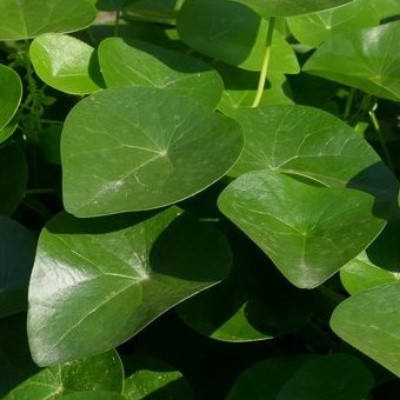
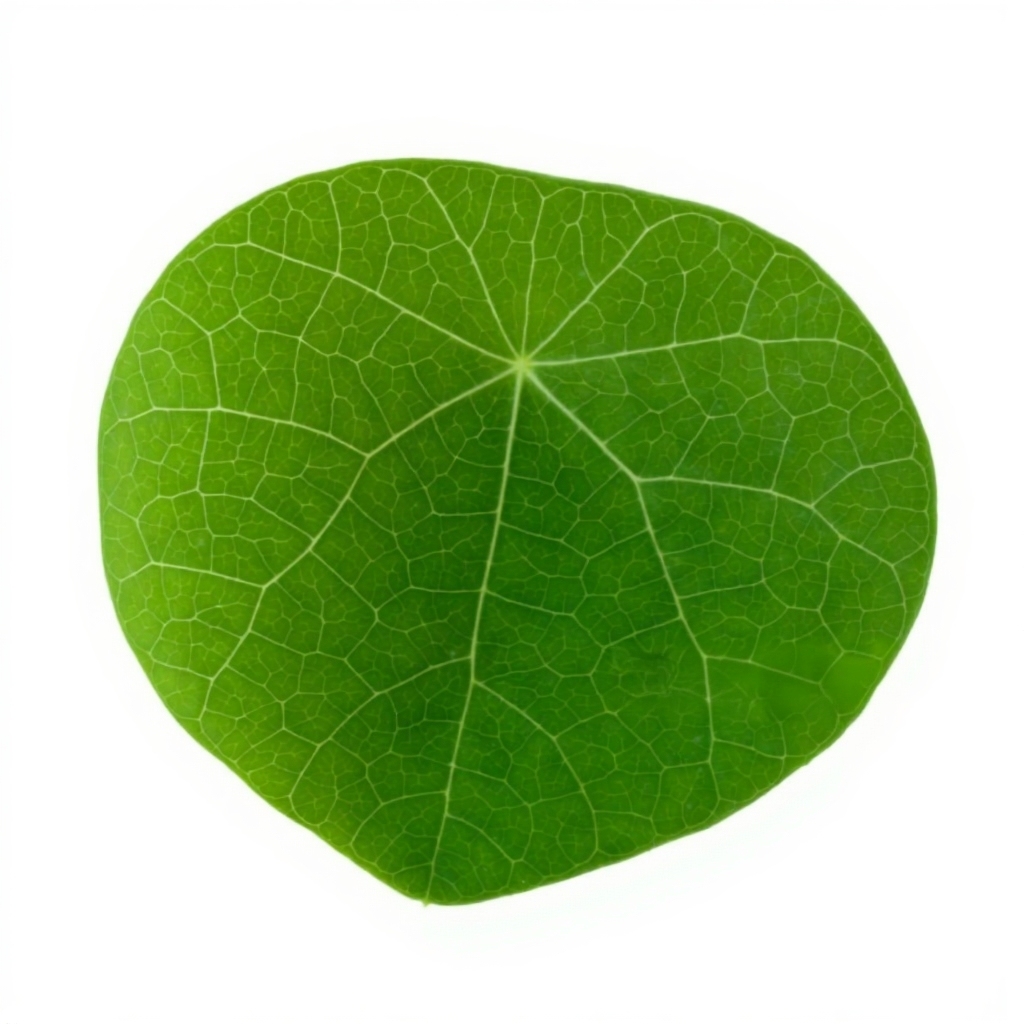
Before we discuss what it does, we must establish what it is. Cepharanthine is extracted from the tuberous roots of Stephania cephalantha Hayata.
Crucial Safety Distinction: It is vital to distinguish the Stephania genus from the Aristolochia genus. While they are often confused in botanical trade, Aristolochia contains Aristolochic acid—a potent carcinogen and nephrotoxin. Pure Cepharanthine (CAS 481-49-2) does not contain Aristolochic acid, but the risk of botanical substitution in raw supply chains remains a critical safety checkpoint for manufacturers.Here is the chemical "ID Card" for the researcher:
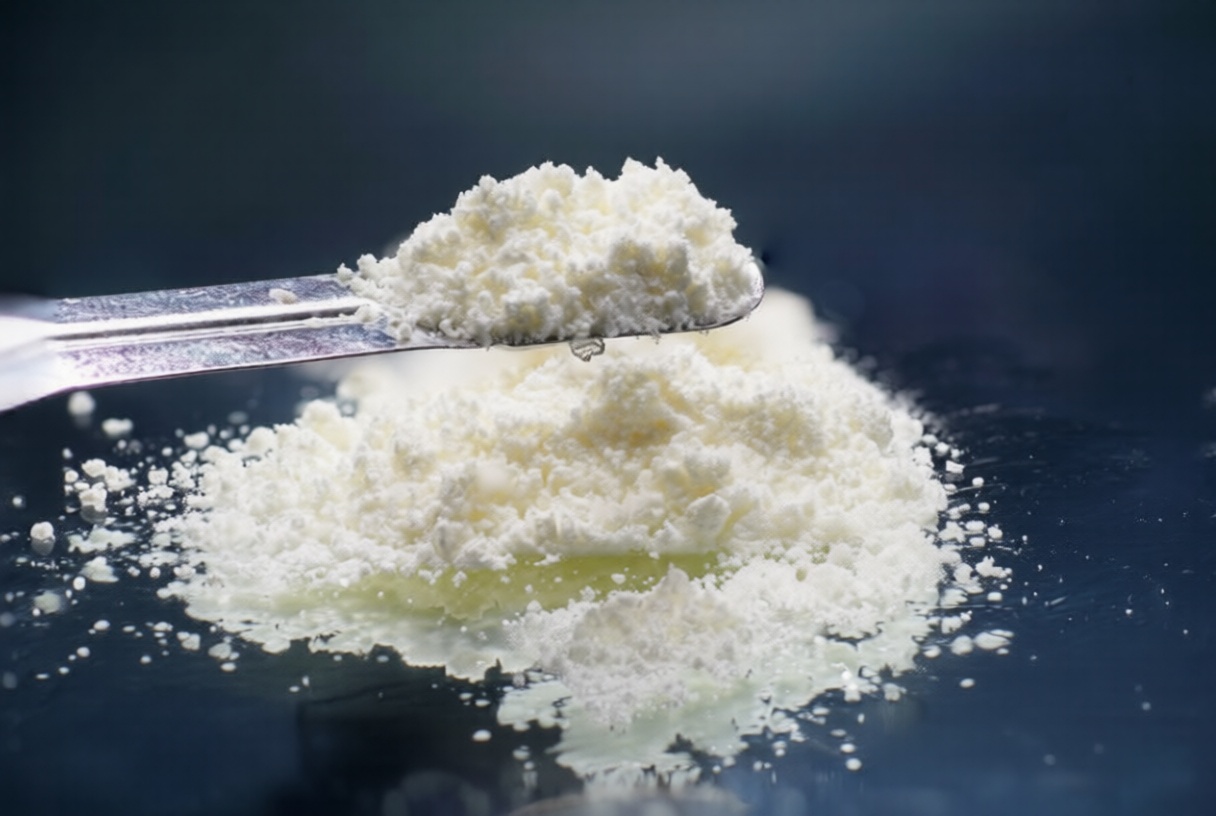
Chemical Name: Cepharanthine
CAS Number: 481-49-2
Molecular Formula: C37H38N2O6
Molecular Weight: 606.71 g/mol
Purity: ≥95% to ≥98% (HPLC)
Solubility (Water): Insoluble
Solubility (Organic): Soluble in DMSO and Ethanol
Note the water solubility: Insoluble. This single physical property drives most of the pharmaceutical development challenges we face today.
From TB to Alopecia: A Historical Timeline
History provides the safety data that modern Phase I trials often lack.
The Early Years (1930s - 1950s)
The compound was first isolated by Heisaburo Kondo. In an era before modern antibiotics, it was a frontline defense against Tuberculosis. By 1951, it received official approval in Japan. This 70-year clinical history provides a massive dataset on human tolerance, suggesting that at controlled doses, the molecule is safe.
The Standard of Care in Japan
While Western medicine largely ignored it, Cepharanthine became a standard of care in Japan for diverse conditions:
Alopecia Areata: It modulates the immune response around hair follicles.
Radiation-induced Leukopenia: It helps restore white blood cell counts in cancer patients.
Mamushi Snake Bites: It inhibits the hemolysis caused by viper venom.
This isn't experimental fringe science; in specific regions, it is the establishment.
The Modern Renaissance: Why Researchers Are Excited
Why the sudden interest now? The mechanism of action (MoA) is proving relevant to modern biological threats.
The COVID-19 Connection (Viral Entry Inhibition)
During the pandemic, high-throughput screening identified Cepharanthine as a potent antiviral. Unlike drugs that target replication (which happens inside the cell), Cepharanthine acts like a shield.
Spike Protein Interference: It blocks the interaction between the SARS-CoV-2 Spike protein and the host ACE2 receptor.
Membrane Fusion: It stabilizes the cell membrane, preventing the virus from fusing and injecting its RNA.
Data: Research shows high inhibitory activity at low micromolar concentrations. It effectively locks the door before the intruder enters.
Oncology's Best Friend? (Reversing Multi-Drug Resistance)
The biggest failure point in chemotherapy is Multi-Drug Resistance (MDR). Cancer cells are smart; they overexpress ATP-binding cassette (ABC) transporters, specifically ABCB1 (P-glycoprotein). Think of these as "bouncers" that physically pump chemotherapy drugs out of the cell before they can work.
Cepharanthine inhibits these transporters. It effectively handcuffs the bouncers. When used in combination with drugs like paclitaxel or vincristine, it traps the chemotherapy inside the tumor cell, restoring sensitivity to the treatment.
Cooling the Fire: Anti-Inflammatory Properties
Beyond killing viruses or tumors, Cepharanthine manages the aftermath. In conditions like sepsis, it suppresses the "cytokine storm" by modulating NF-κB signaling (reducing TNF-α and IL-6). In lung fibrosis, it inhibits TGF-β1, the master switch for scarring. This antifibrotic capability is crucial for preventing long-term organ damage post-infection.
The "But..." – Challenges and Controversies
If this drug is so effective, why isn't it in every pharmacy globally?
The Absorption Problem (Low Bioavailability)
This is the logistical nightmare. Because Cepharanthine is chemically insoluble in water, its oral bioavailability is incredibly low—estimated at 6–10%. If you swallow a pill, the vast majority is excreted without ever reaching your bloodstream. To get antiviral levels into the lung tissue via oral dosing, you would theoretically need massive, potentially toxic doses.
The Safety Paradox: Kidney Savior or Killer?
We face a conflicting safety profile regarding renal health.
The Good: Some data suggests nephroprotection against chemo-toxicity.
The Bad: High concentrations or chronic exposure can trigger renal toxicity.
The Reality: There is a narrow therapeutic window. The "more is better" approach is dangerous here. Precise dosing is non-negotiable.
The "100% Inhibition" Hype vs. Reality
In 2022, stock markets rallied on news of Cepharanthine's "100% coronavirus inhibition." We must temper this enthusiasm. Those results were largely in vitro (in a petri dish). A compound behaving perfectly in a glass dish often behaves differently in the complex metabolic environment of the human body. It is a promising lead, not a magic wand.
The Future: Where Do We Go From Here?
The molecule works. The delivery method is what needs fixing.
Next-Gen Formulations
The future lies in formulation chemistry. Researchers are bypassing the gut using:
Nanoparticles and Liposomes: Encapsulating the drug to improve water solubility and cellular uptake.
PD-001: Novel formulations that enhance absorption.
Injectables: Direct systemic delivery for acute cases like sepsis or viral overload.
Regulatory Hurdles (East vs. West)
There is a regulatory "Iron Curtain." Japan accepts it; the FDA and EMA generally view it as an unapproved new drug. Because the patent on the molecule itself expired decades ago, pharmaceutical companies are hesitant to fund the multimillion-dollar Phase III trials required for Western approval. Investment will likely focus on proprietary delivery systems rather than the raw molecule.
FAQ: Frequently Asked Questions
Q: What is Cepharanthine primarily used for today? A: In Japan, it is prescribed for alopecia, leukopenia, and snake bites. Globally, it is a research chemical investigated for reversing cancer drug resistance and treating COVID-19.
Q: Is Cepharanthine available in the US? A: Not as a pharmaceutical drug. It is available only as a research-grade chemical for laboratory use (not for human consumption).
Q: Does Cepharanthine actually cure COVID-19? A: It shows high potency in laboratory settings (in vitro) by blocking viral entry. However, large-scale human clinical trials are needed to prove efficacy and establish safe dosing protocols for this specific use.
Q: Is there a risk of kidney damage? A: Yes, at high doses. While it has a history of safe use at low doses, the therapeutic window is narrow. Additionally, users must ensure the product is not contaminated with Aristolochic acid from related plant species.
Final Thoughts
Cepharanthine represents a fascinating case study in drug repurposing. It is a molecule with a 70-year past and potentially a very bright future. Its ability to simultaneously tackle viral entry, inflammation, and drug resistance makes it unique.
However, the path forward isn't biology; it's engineering. Until we solve the bioavailability puzzle through advanced delivery systems, Cepharanthine will remain a "hidden gem" rather than a global standard. For the research community, the focus now must be on high-purity synthesis and novel formulation strategies.
Recent Articles