The Ultimate Guide to Cepharanthine (CAS 481-49-2): From Ancient Vine to COVID-19 Hype and Beyond
Molecules do not care about media hype. They merely follow the laws of physics and chemistry. Yet, few compounds have experienced a whiplash quite like Cepharanthine. For decades, it was a quiet, botanical remedy extracted from an ancient Asian vine. Then, a global pandemic hit. Almost overnight, it was crowned a "miracle" drug. Stock markets surged. Botanical prices skyrocketed.
But what actually happens when we strip away the sensational headlines? As researchers, we must look at the data. We need to examine the chemical reality of this compound. This guide breaks down the hard science, the history, and the truth behind the headlines. We will explore its structure, its failures, and its genuine promise.
What is Cepharanthine? A Basic Overview & Technical Cheat Sheet
At its core, Cepharanthine is a natural bisbenzylisoquinoline alkaloid. It is a large, complex molecule synthesized by nature. For the formulators and lab scientists, here is your technical cheat sheet.
Chemical Specs & Physical Properties
CAS Number: 481-49-2
Molecular Formula: C37H38N2O6
Molecular Weight: 606.71 g/mol
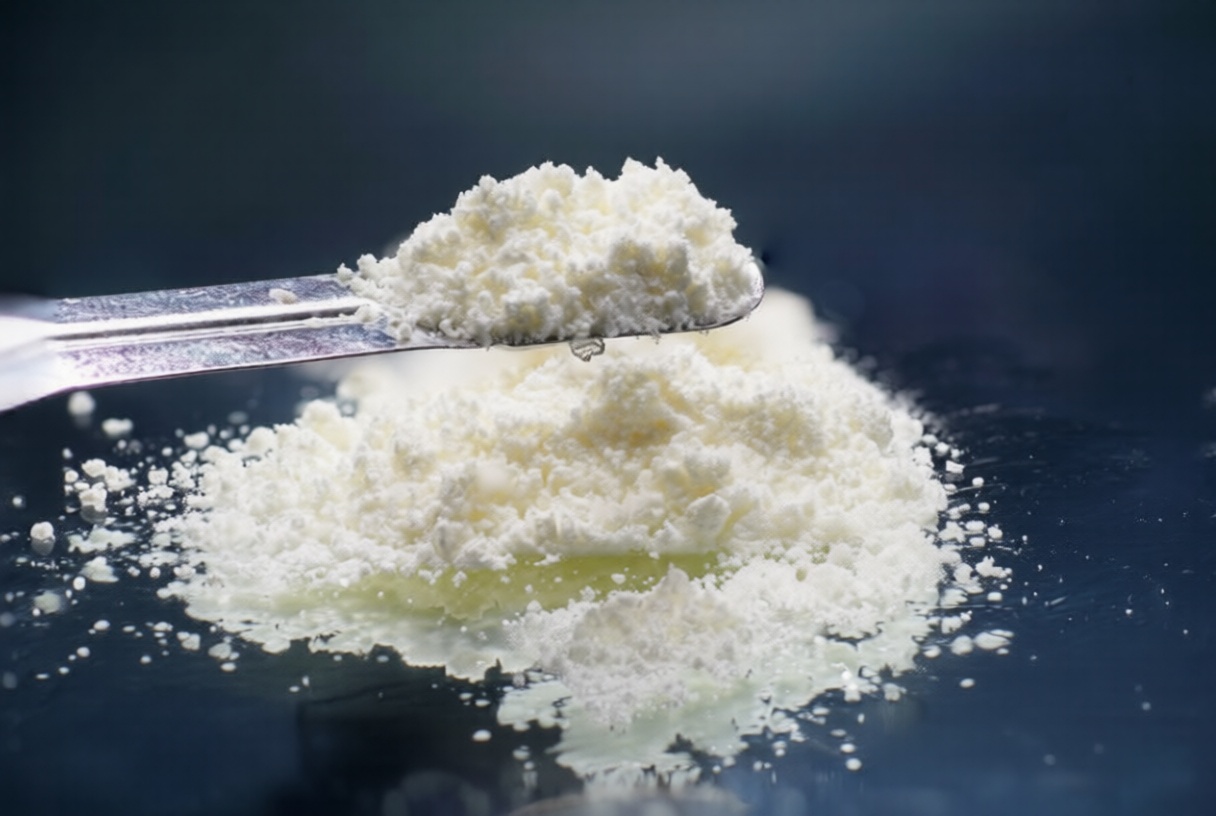
Physical Appearance: A white to light yellow crystalline powder.
Purity Levels: Laboratory and pharmaceutical grades typically range from 95% to 99.99% (HPLC). High-purity reference materials are readily sourced from suppliers like Sigma-Aldrich and Cayman Chemical.
The Solubility Profile (Why It’s Hard to Work With)
Here lies the primary formulation headache. Cepharanthine is highly lipophilic. It loves fat. It hates water.
Water: Practically insoluble (< 0.1 mg/mL).
DMSO: Soluble (~10–100 mg/mL).
Ethanol: Soluble (~10–30 mg/mL).
Dimethylformamide (DMF): Soluble (~30 mg/mL).
This poor water solubility is the fundamental bottleneck. It severely limits the drug's oral absorption. You can have the most potent molecule in the world. If it cannot dissolve in biological fluids, it cannot reach its target.
Storage & Stability Best Practices
Maintaining the integrity of this compound requires discipline. It is sensitive to light, heat, and moisture.
Powder: Store at -20°C. Under these conditions, it remains stable for over 3 years. Short-term storage at 4°C is acceptable.
In Solution: Stock solutions in DMSO or ethanol should be kept at -80°C. They remain viable for about six months.
Rule of Thumb: Avoid repeated freeze-thaw cycles. Keep containers tightly sealed. Protect it entirely from UV light.
Historical Background: The 70-Year-Old "New" Drug
To understand Cepharanthine, we have to travel back a century. This is not a novel synthetic chemical fresh out of a combinatorial library. It is a botanical veteran.
Discovery in the Roaring Twenties (and Thirties)
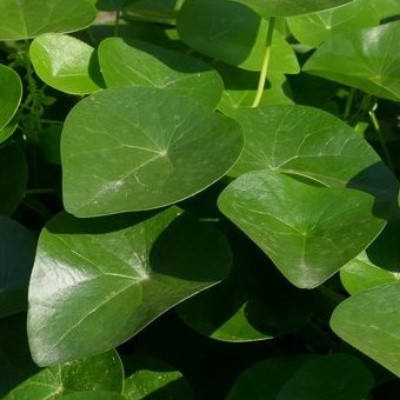
The story begins with the plant Stephania cepharantha, documented by Japanese botanist Bunzo Hayata in 1914. It is a climbing vine used in traditional Asian medicine to treat inflammation and fever. In 1934, Japanese pharmacist Heisaburo Kondo successfully isolated and purified the active alkaloid. He named it Cepharanthine.
Decades of Clinical Use in Japan
Japan officially approved Cepharanthine for human use in 1951. It quickly found a niche. Doctors noticed it stimulated the reticuloendothelial system. It promoted bone marrow tissue regeneration. For over 70 years, it has been used to treat radiation-induced leukopenia (low white blood cell counts). It is also a standard oral treatment for alopecia areata (patchy hair loss) and has even been deployed as an antidote for venomous snake bites.
Current Perspectives: Why is Science Obsessed with Cepharanthine Today?
How did a drug for hair loss and radiation sickness become the darling of modern pharmacology? The answer lies in its ability to modulate severe cellular stress.
The Antiviral Powerhouse (The COVID-19 Breakthrough)
In 2020, researchers cast a wide net. High-throughput screening of existing drug libraries aimed to find an inhibitor for SARS-CoV-2. Cepharanthine emerged as a standout. It demonstrated significantly lower half-maximal inhibitory concentrations (IC50) than agents like Remdesivir in vitro.
Its antiviral properties are multifaceted. It blocks the binding of the viral S-protein to the host ACE2 receptor. It suppresses the protease TMPRSS2. It physically interferes with the endocytic pathway. Beyond SARS-CoV-2, researchers are actively mapping its broad-spectrum potential against HIV-1, Ebola, and HBV.
Oncology & Beating Multi-Drug Resistance (MDR)
Cancer cells are notoriously clever. They survive chemotherapy by developing multi-drug resistance (MDR). This is often driven by the overexpression of ATP-binding cassette (ABC) transporters. Proteins like P-glycoprotein (P-gp/ABCB1) act as cellular sump pumps. They actively flush cytotoxic drugs out of the malignant cell.
Cepharanthine acts as a potent chemosensitizer. It binds directly to these efflux pumps and jams them. This traps drugs like doxorubicin and paclitaxel inside the tumor. Simultaneously, it induces apoptosis and suppresses survival pathways like NF-κB and PI3K/Akt. It forces the cancer cell to face the poison.
The Hype vs. Reality: Controversies and Clinical Roadblocks
We must separate the sensational from the scientific. A petri dish is not a human body.
The "15,393x" Myth and Market Chaos
In May 2022, a Chinese patent claimed Cepharanthine inhibited COVID-19 replication by 15,393 times at a 10 μM concentration. Media outlets stripped away the scientific context. They presented in-vitro data as an absolute cure.
The market reacted violently. Raw botanical prices surged. Speculators drove pharmaceutical stocks to artificial highs. Many companies eventually had to issue public statements clarifying they did not even manufacture the drug. It was a classic case of financial speculation outrunning clinical reality.
The Bioavailability Bottleneck (Why Human Trials Faltered)
Here is the harsh truth. Oral bioavailability sits at a dismal 13.15%. When we look at clinical trials, such as NCT05398705, the limitations become glaringly obvious. In human patients, oral doses of 60 mg to 120 mg per day failed to significantly shorten nucleic acid conversion times compared to placebos.
You cannot simply give humans a massive oral dose to match the 10 μM in-vitro concentration. The compound undergoes rapid first-pass metabolism in the liver. It simply cannot reach target tissues, like the lungs, in sufficient volumes.
Side Effects & Safety Concerns
Pushing doses higher invites toxicity. Traditional, low-dose applications (like 50 mg for leukopenia) are generally well-tolerated. High doses required for experimental antiviral efficacy are a different story.
Patients report significant gastrointestinal issues—nausea, cramping, and diarrhea. Researchers heavily monitor potential hepatotoxicity, as liver enzymes can spike under the stress of processing massive alkaloid loads. There are also looming concerns regarding neurotoxicity. A drug that modifies cellular signaling so drastically requires intense blood system monitoring.
Future Directions: Formulations and Market Trends
Science adapts. We identify the bottleneck, and we engineer a solution. The pharmaceutical industry is not abandoning Cepharanthine; it is repackaging it.
Next-Gen Delivery Systems (DPIs & Nanotech)
To bypass the liver and the gastrointestinal tract, researchers are turning to the lungs. Engineering Cepharanthine into Dry Powder Inhalers (DPI) allows direct delivery to alveolar regions. This targets severe viral pneumonia directly at the site of infection.
For oral administration, nanotechnology is taking the lead. Solid Lipid Nanoparticles (SLNs) and Self-Emulsifying Drug Delivery Systems (SEDDS) are being utilized. These systems wrap the lipophilic drug in a lipid or surfactant shell, tricking the body into absorbing it more efficiently.
Synthetic Biology & Improved Formulations
The era of volatile plant extraction is ending. Relying on Stephania harvesting is ecologically and economically unstable. Biosynthesis—using engineered cell cultures to produce the alkaloid—is becoming the new standard.
We are also seeing the rise of 505(b)(2) regulatory pathways. Companies like PharmaDrug have developed PD-001, an enteric-coated oral formulation designed to survive stomach acid and dramatically improve absorption. With recent clinical trials advancing in 2025, optimized delivery systems will define the true therapeutic legacy of this compound.
Frequently Asked Questions (FAQ)
What is Cepharanthine used for?
Traditionally, it is prescribed in Japan to treat radiation-induced leukopenia (low white blood cells) and alopecia areata (patchy hair loss). Experimentally, it is researched heavily for its antiviral properties and as an oncology adjunct to overcome multi-drug resistance.
Does Cepharanthine cure COVID-19?
No. While it showed extraordinary in-vitro (petri dish) inhibition of the SARS-CoV-2 virus, clinical trials in humans have not yielded conclusive evidence of it functioning as a standalone cure, largely due to absorption issues.
Why is Cepharanthine's bioavailability so low?
The molecule is highly lipophilic (fat-loving) and practically insoluble in water. When taken orally, it is poorly absorbed in the gut and rapidly metabolized by the liver, resulting in an oral bioavailability of only about 13.15%.
How should laboratory Cepharanthine be stored?
Powdered stock should be kept tightly sealed at -20°C, protected from UV light and moisture. Liquid solutions (in DMSO or ethanol) should be stored at -80°C. Never subject the solutions to repeated freeze-thaw cycles.
What is the recommended dosage for Cepharanthine?
Dosage depends entirely on the clinical indication. For leukopenia, doses typically range from 50–60 mg per day. For alopecia, it ranges from 1.5–6 mg per day. Antiviral dosages remain strictly experimental. Disclaimer: Always consult a licensed medical professional before considering any pharmaceutical treatment.
Recent Articles